Arduino Usb Serial Port Download Adapter
1-16 of over 1,000 results for 'arduino usb adapter'. Module USB to TTL Serial Adapter Module for Arduino Mini Port USB to Serial Interface. Download Audio.
Yes an example usage of what is supposed to be typed would be helpful for this novel protocol. That would save having to pour over the source code to understand exactly what it is doing before being able to run a simple test.
For most Arduino boards this. will be analog input pin 4 for SDA and analog input pin 5 for SCL. It's not in Wire nor in TWI: hardware/arduino/avr/variants/standard/pinsarduino.h: static const uint8t SDA = 18; // A4 + 14 static const uint8t SCL = 19; // A5 + 14 Also have something output to the terminal on start up would at least tell us it flashed OK and running: void setup // initialize the serial communication: Serial.begin(115200); Serial.write('Arduino I2C-to-USB 1.0'). I don't think this code is in a usable state. It could serve as a good basis for further work, maybe.
Some USB-to-serial port adapters and Arduino board. Connect the USB-to-serial port adapter or Arduino board to. 2 thoughts on “ Install FTDI driver for USB-to. Getting Started with the Arduino. The port will be the one corresponding to the USB. Or your own power supply and USB/Serial adapter. Connecting the Arduino.
You can type 'I' ( capitial letter i ) and get the ident string back at the monitor window. However, if you need to set the address to send it takes the next BYTE as the address.
There is no conversion of ASCII to byte so you have to try to type a char which matches your address. If your device is at 0x30 for example you are in luck, you type a zero, but if you want to use the general address #0 or some other it could be tricky. Similarly the command byte you send could be anything and is unlikely to be a typeable character. Any data you want to send will require decoding something you can type into a terminal window into a single byte. Six people have 'forked' this but they all seem identical clones. No one has got any further.
Arduino Mini Getting Started with the Arduino Mini The Arduino Mini is a small microcontroller board originally based on the ATmega328P intended for use on breadboards and when space is at a premium. Because of its small size, connecting the Arduino Mini is a bit more complicated than a regular Arduino board ( for instructions and photos).
The Arduino Mini is programmed using the, our Integrated Development Environment common to all our boards and running both and offline. For more information on how to get started with the Arduino Software visit the.
All Arduino and Genuino boards, including this one, work out-of-the-box on the, no need to install anything. The Arduino Web Editor is hosted online, therefore it will always be up-to-date with the latest features and support for all boards. Follow this to start coding on the browser and upload your sketches onto your board. Use your Arduino Mini on the Arduino Desktop IDE If you want to program your Arduino Mini while offline you need to install the Open your first sketch Open the LED blink example sketch: File Examples 01.Basics Blink. Select your board type and port You'll need to select the entry in the Tools Board menu that corresponds to your Micro board. The port will be the one corresponding to the USB to Serial you are using to interface the board. Upload and Run your first Sketch To upload the sketch to the Arduino Mini, you also need to press the reset button on the board immediately before pressing the upload button in the Arduino environment.
Click the Upload button in the upper left to load and run the sketch on your board. Wait a few seconds - you should see the RX and TX leds on the board flashing. If the upload is successful, the message 'Done uploading.' Will appear in the status bar. The Arduino Micro doesn't have a built-in LED, therefore the Blink sketch needs a LED connected between D13 and GND to show its effects. A resistor is already mounted on that I/O to protect the microcontroller from overcurrents. Learn more on the Desktop IDE for a generic guide on the Arduino IDE with a few more infos on the Preferences, the Board Manager, and the Library Manager.
Tutorials Now that you have set up and programmed your Arduino Mini board, you may find inspiration in our tutorial platform. Information about the Arduino Mini The microcontroller (an ATmega328P) on the Arduino Mini is a physically smaller version of the chip on the USB Arduino boards, with the following small difference:. There are two extra analog inputs on the Mini (8 total). Four of these, however, are not connected to the legs that come on the Arduino Mini, requiring you to solder wires to their holes to use them. Two of these unconnected pins are also used by the Wire library ( I2C), meaning that its use will require soldering as well. Also, the Arduino Mini is more fragile and easy to break than a regular Arduino board. Don't connect more than 9 volts to the +9V pin or reverse the power and ground pins of your power supply, or you might kill the ATmega328 on the Arduino Mini.
You can't remove the ATmega328P, so if you kill it, you need a new Mini. Connecting the Arduino Mini Here's a diagram of the pin layout of the Arduino Mini. Mini 04 and 05 pinout (the ground on the left has moved down one pin) To use the Arduino Mini, you need to connect:. Sonic charge synplant torrent. Power. This can be a regulated +5V power source (e.g.
From the +5V pin of the Mini USB Adapter or an Arduino NG) connected to the +5V pin of the Arduino Mini. Or, a +9V power source (e.g. A 9 volt battery) connected to the +9V pin of the Arduino Mini. One of the ground pins on the Arduino Mini must be connected to ground of the power source. These pins are used both for uploading new sketches to the board and communicating with a computer or other device.
Whenever this pin is connected to ground, the Arduino Mini resets. You can wire it to a pushbutton, or connect it to +5V to prevent the Arduino Mini from resetting (except when it loses power). If you leave the reset pin unconnected, the Arduino Mini will reset randomly. While not technically necessary, connecting an LED to the Arduino Mini makes it easier to check if it's working.

Pin 13 has a 1 KB resistor on it, so you can connect an LED to it directly between it and ground. When using another pin, you will need an external resistor. You have a few options for connecting the board: the Mini USB Adapter, a regular Arduino board, or your own power supply and USB/Serial adapter.
Usb Serial Adapter Driver Download
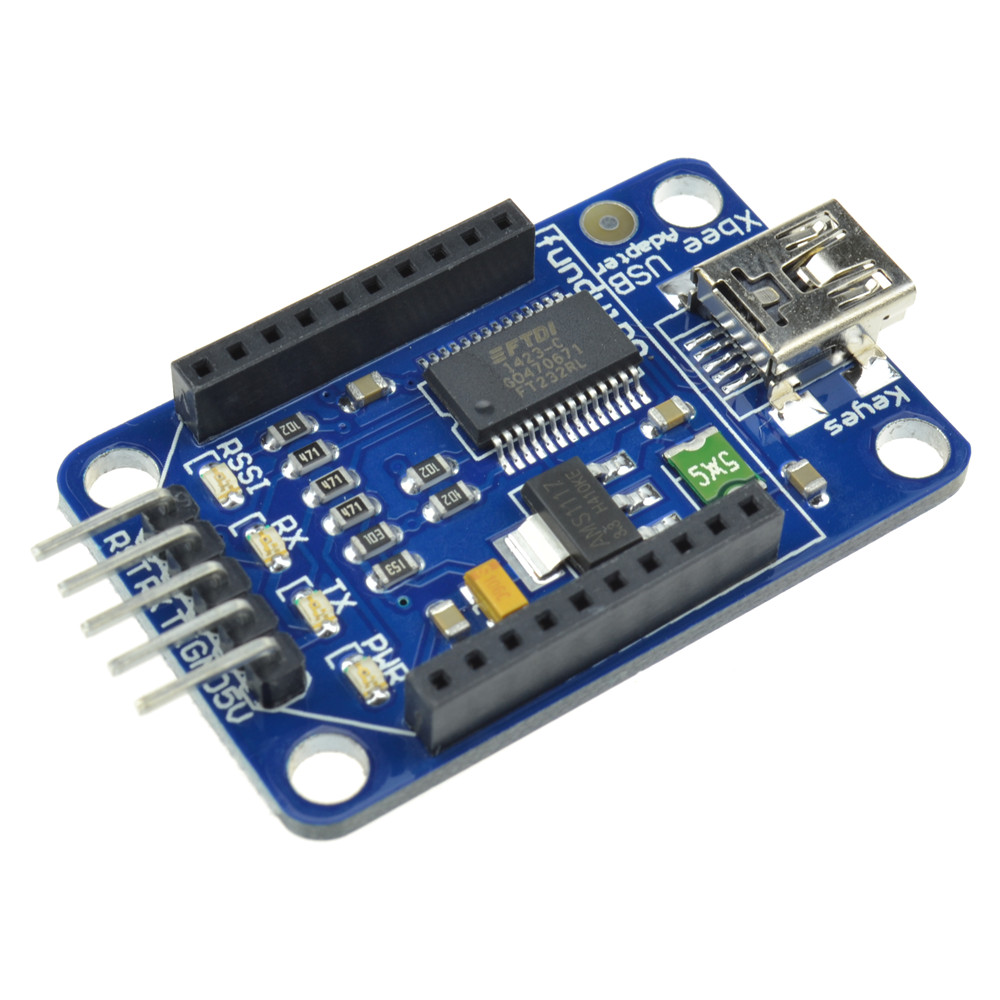
Connecting the Arduino Mini and Mini USB Adapter The circuit shown here is the basic setup for an Arduino mini connected to a USB-to-serial converter. You can see power and ground from the USB are run to the rails of the breadboard so it's convenient for the other components on the board. The 0.1uF capacitor from the reset pin is connected to the RTS pin on the mini USB adaptor. This enables auto-reset when the serial port is opened, meaning you don't have to press the reset button every time you upload new code. If it gives you problems, you can remove it, and press reset every time.